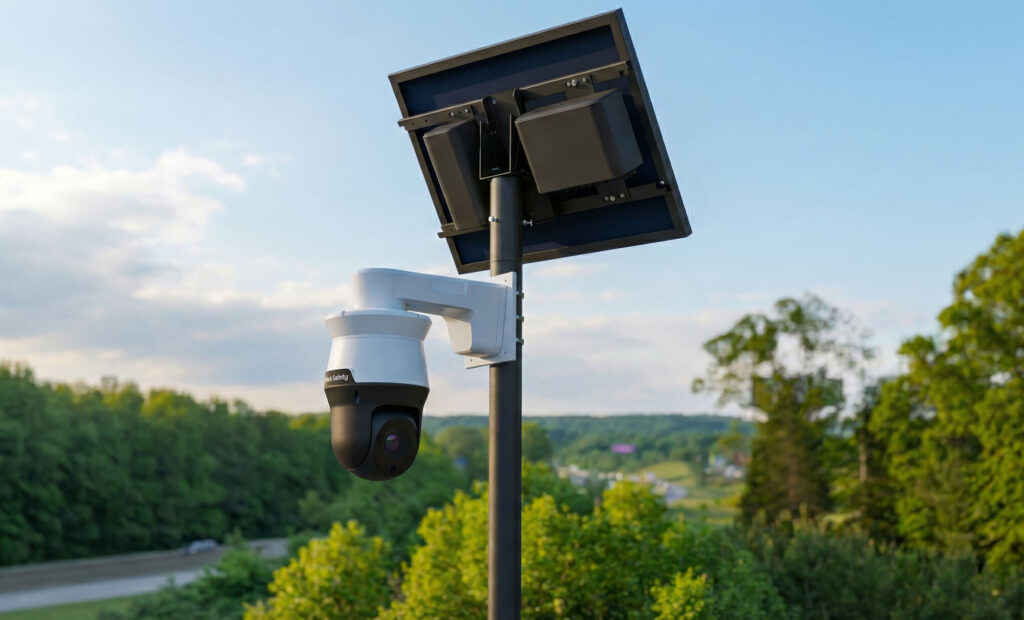
A federal circuit judge has ruled that monthlong warrantless tracking through automated licence plate reader data is unconstitutional, according to Carscoops. The decision emerged from a major methamphetamine case in Oklahoma.
The ruling addresses the use of automated licence plate reader systems, which record vehicles as they pass cameras and can allow authorities to reconstruct where a car has travelled over time. The court found that monitoring a vehicle through such records for a month without a warrant crossed a constitutional line.
The case could carry wider consequences for law-enforcement agencies that rely on licence plate reader databases during criminal investigations. It also sharpens a long-running debate over whether data collected in public can become intrusive when it is retained and searched over extended periods.
For drivers, including visitors accustomed to camera-monitored roads, the decision is a reminder that vehicle-registration data can create a detailed travel record. The ruling concerns US constitutional law and does not determine rules in Montenegro, but it highlights the privacy issues surrounding expanding road-surveillance technology.