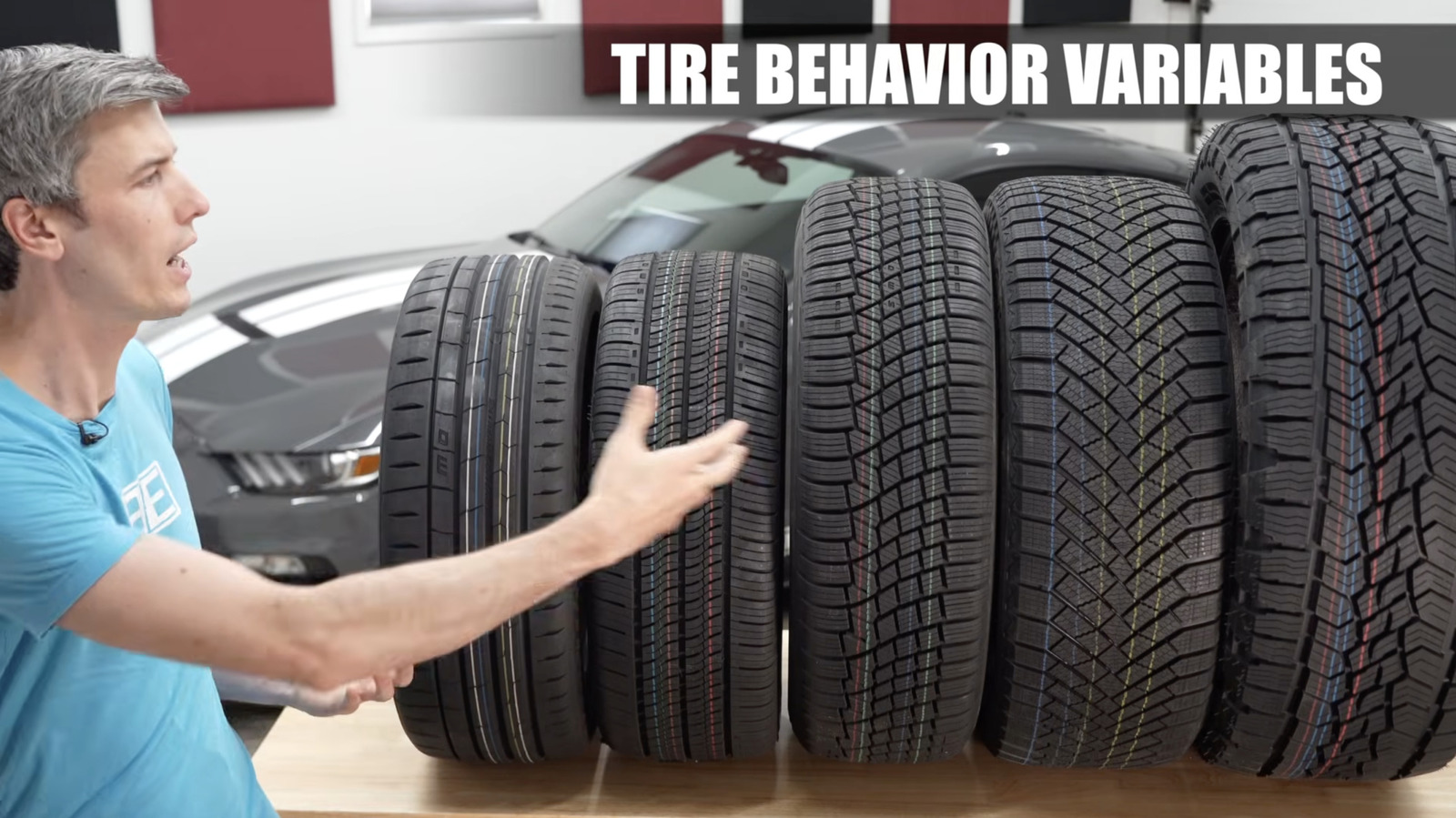
Choosing replacement tires can be deceptively complicated. Drivers must consider more than the dimensions printed on the sidewall, because a tire's design directly affects how it responds to the road.
Jason Fenske of Engineering Explained examines the subject through three central elements: tread patterns, tire compounds and the physics behind how tires generate grip. The approach offers a useful starting point for motorists trying to understand why seemingly similar tires can behave differently.
Tread design and rubber composition are not cosmetic details. They are fundamental parts of a tire's overall construction, and understanding their role can help drivers make a more informed choice when comparing available options.
For residents and visitors driving in Montenegro, the explanation is a practical reminder to match tire decisions to the vehicle and the conditions in which it will be used, rather than treating tires as a routine purchase. A report by Jalopnik highlights Fenske's guide to the engineering principles behind that choice.